
If you’re a self-employed tattoo artist, taxes and tattoos might sound like a nightmare combo — but in 2025, they’re part of being a professional. Whether you rent a booth, work from home, or run your own studio, knowing how to handle taxes can save you thousands each year.
Let’s break down what every independent tattoo artist should know about taxes, deductions, and how to make this process smoother without losing focus on your art.
Step 1: Understanding Taxes and Tattoos for Independent Artists
Tattoo artists are typically classified as self-employed contractors, not employees. That means:
- You’re responsible for your own income taxes and self-employment tax.
- You’ll likely need to file quarterly estimated taxes (four times a year).
- You can deduct business expenses to reduce what you owe.
In 2025, the IRS has continued cracking down on unreported income from cash-based businesses — and yes, tattoo artists are on that list. Having a paper trail through digital systems (like a tattoo scheduling app that tracks payments) makes your taxes cleaner and safer.
Step 2: Track Every Tattoo Income Stream
You probably earn from more than just tattoos:
- Tattoo sessions
- Flash events
- Prints or merch sales
- Guest spots
- Art commissions
All of this counts as taxable income.
Keeping digital records through tools like LucentDesk helps you track every transaction — especially if clients book and pay deposits online.
LucentDesk automatically records payments, deposits, and appointments so you can export your numbers when it’s time to file.
Step 3: Know What Tattoo Artists Can Deduct in 2025
Here’s the good news — tattoo artists have tons of deductible expenses. These write-offs reduce your taxable income, which means you pay less in taxes.
Common tattoo business deductions:
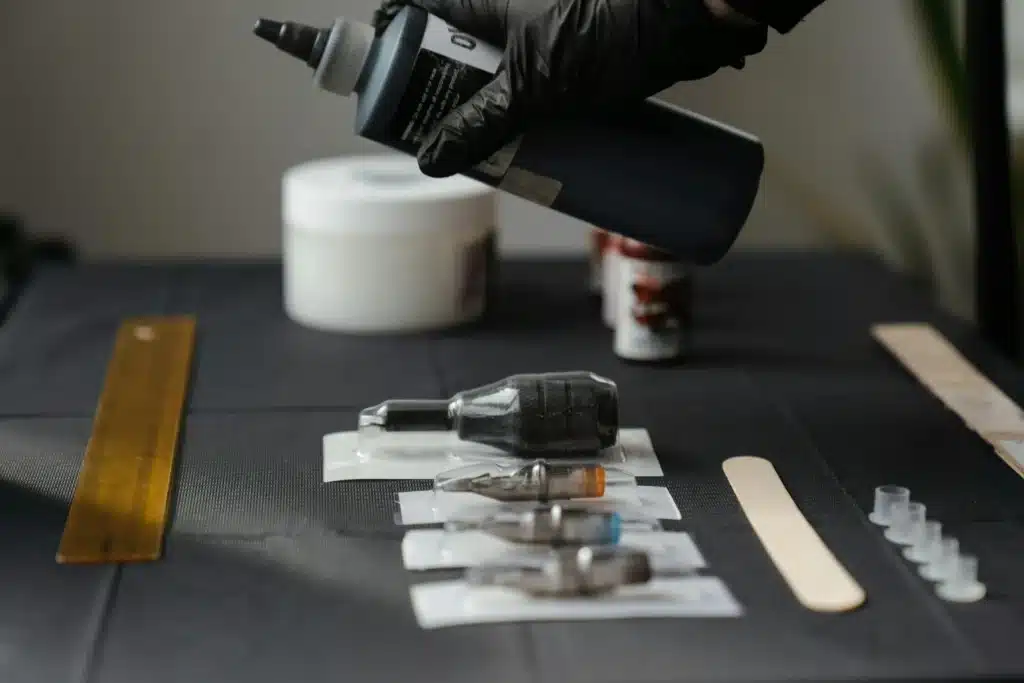
- Needles, inks, gloves, and equipment
- Studio rent or booth rental
- Tattoo chair and lighting setup
- Health & safety certifications
- Design software or tablet
- Mileage for conventions or guest spots
- Advertising and website costs
- Booking software subscriptions (like LucentDesk)
💡 Pro tip: Keep digital receipts organized by month. Tools like Google Drive or QuickBooks Self-Employed make it easy.

Step 4: Pay Estimated Taxes Quarterly
Independent artists are required to send in quarterly tax payments — basically pre-paying your taxes throughout the year.
The due dates for 2025 are:
- April 15
- June 15
- September 15
- January 15, 2026
Miss these, and the IRS can charge penalties. If that sounds overwhelming, use a tax app or accountant who understands creative freelancers and tattoo artists.
Step 5: Separate Personal and Business Finances
If you mix personal and business money, you’re asking for trouble.
Set up a business checking account and use it exclusively for tattoo-related transactions.
This makes bookkeeping, taxes, and audits much simpler — plus it helps you see what your real profits are.
LucentDesk helps here, too. With clear deposit tracking, income summaries, and appointment data, you can separate business activity from personal spending automatically.
Step 6: Use Digital Tools to Stay Compliant
Technology has made taxes and tattoos easier to manage than ever. You don’t need to do everything manually or guess your income.
Here’s how to simplify:
- Use LucentDesk for booking, deposits, and transaction tracking.
- Sync with an accounting tool like QuickBooks or Wave.
- Set up recurring reminders for quarterly payments.
- Keep digital copies of invoices and receipts.
Step 7: Think Like a Business Owner
The best tattoo artists in 2025 treat their art like a real business.
That means planning ahead for taxes, pricing correctly, and building systems that protect your income.
By combining the right mindset with automation, you’ll stop stressing over paperwork and start focusing on your clients and creativity.
👉 Start with LucentDesk — the free tattoo booking app that helps artists automate booking, enforce deposits, and track income for tax season.